The Benefits of Meditation: A Guide to Inner Peace and Wellness
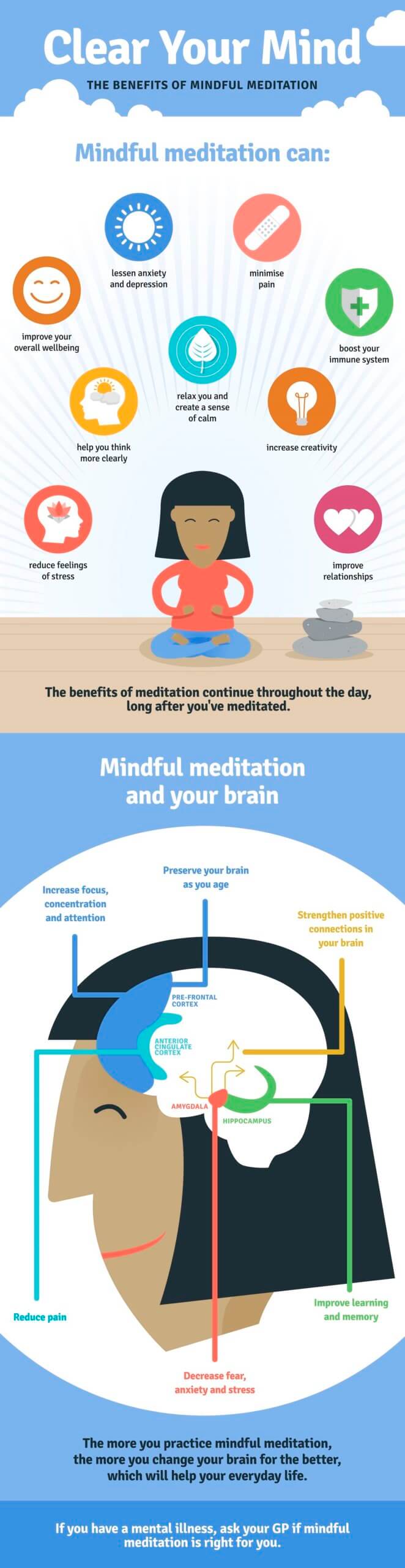
Meditation is a practice that has been around for centuries, offering countless benefits for both the mind and body. It’s a powerful tool for relaxation, stress relief, and overall well-being. Whether you are new to meditation or have been practicing for years, understanding the benefits of meditation can help you make the most of this ancient practice.

1. Stress Reduction
One of the most well-known benefits of meditation is its ability to reduce stress. Studies have shown that regular meditation can lower the levels of cortisol, the body’s stress hormone. When you meditate, your body enters a state of relaxation, helping to counteract the physical effects of stress.
By focusing on your breath and clearing your mind, you allow yourself to detach from the stressors of daily life. This practice helps to improve emotional resilience and reduces anxiety, making it easier to manage stressful situations in the future.
Related article: How to Reduce Stress Effectively

2. Improves Mental Health
Meditation is not just beneficial for your physical health but also plays a key role in improving mental health. Many studies have indicated that regular meditation can help reduce symptoms of depression, anxiety, and other mental health conditions.
By practicing mindfulness meditation, individuals can increase their emotional awareness and develop a better understanding of their thoughts. This practice encourages a non-judgmental acceptance of emotions, which can reduce the mental chatter that leads to negative thinking patterns.
Related article: How Meditation Helps with Anxiety and Depression
3. Enhances Focus and Concentration
In today’s fast-paced world, maintaining focus can be a challenge. Meditation has been proven to improve cognitive function, including focus and concentration. When you meditate, you train your brain to stay present, which can help you focus better on tasks throughout the day.
This enhanced attention span has been linked to changes in the brain, particularly in areas responsible for memory and executive function. Whether you are working, studying, or even engaging in daily activities, meditation can help you perform better with greater clarity and focus.
Related article: How Meditation Enhances Focus
4. Promotes Better Sleep
Insomnia and poor sleep quality affect millions of people worldwide. Meditation can be a natural remedy for improving sleep patterns. By practicing meditation before bed, you can help calm your mind and relax your body, preparing yourself for a restful night’s sleep.
Mindfulness and deep breathing exercises are particularly effective in lowering the levels of anxiety that often contribute to sleep disturbances. A few minutes of meditation before bedtime can help promote deeper, more restorative sleep.
Related article: The Connection Between Meditation and Sleep

5. Boosts Emotional Well-Being
Meditation helps to enhance emotional health by increasing positive emotions and reducing negative ones. Regular meditation can encourage feelings of happiness, contentment, and peace. It also promotes a balanced perspective on life, making it easier to handle life’s ups and downs with grace.
By practicing self-compassion and mindfulness, you can foster a positive mindset that will extend into all areas of your life. Meditation allows you to accept yourself and others with an open heart, enhancing overall emotional resilience.
Related article: How Meditation Improves Emotional Health
6. Increases Self-Awareness
One of the most profound benefits of meditation is its ability to increase self-awareness. When you meditate, you take a step back from your usual thoughts and behaviors, allowing yourself to observe them without judgment. This can help you recognize negative patterns or behaviors that may be holding you back in life.
Increased self-awareness can lead to personal growth, better decision-making, and a deeper connection to your true self. By regularly practicing meditation, you begin to understand your inner motivations and desires more clearly.
Related article: How Meditation Enhances Self-Awareness
7. Enhances Creativity
Meditation is not only beneficial for mental health and focus but also for stimulating creativity. When your mind is clear, it can think more freely and creatively. Meditation helps eliminate mental blocks, allowing ideas to flow more naturally and effortlessly.
Creative people, such as artists, writers, and musicians, have reported that meditation helps them overcome creative blocks and enhances their problem-solving skills. Whether you work in a creative field or not, meditation can help you tap into your creative potential.
Related article: Boosting Creativity with Meditation
8. Reduces Symptoms of Chronic Pain
Chronic pain is a condition that affects millions of people, causing significant physical and emotional distress. Meditation can be an effective tool in managing chronic pain. Mindfulness meditation, in particular, has been shown to reduce the perception of pain and increase the body’s pain tolerance.
By focusing on the breath and calming the mind, meditation can help individuals shift their attention away from pain, making it more manageable. Additionally, meditation can help improve the emotional response to chronic pain, reducing feelings of frustration and anxiety.
Related article: Managing Chronic Pain with Meditation
9. Supports a Healthy Heart
Meditation can play a key role in maintaining cardiovascular health. Regular meditation has been shown to lower blood pressure, reduce the risk of heart disease, and improve overall heart health. By reducing stress and promoting relaxation, meditation helps to protect the heart from the damaging effects of chronic stress.
Additionally, mindfulness meditation can help improve the body’s ability to regulate inflammation, which is linked to various heart-related conditions. A healthy heart is essential for overall well-being, and meditation can be a simple yet powerful tool to support heart health.
Related article: Meditation and Heart Health
10. Cultivates Mindfulness in Daily Life
Mindfulness is the practice of being present in the moment and fully engaged with what is happening around you. Through meditation, you can cultivate mindfulness, which can extend into your daily life. This heightened awareness allows you to enjoy the present moment more fully and reduce distractions that may cause stress or anxiety.
By practicing mindfulness, you can make more thoughtful decisions, improve your relationships, and experience greater happiness in your everyday interactions.
Related article: Mindfulness: The Key to a Balanced Life
FAQs about Meditation
Q: How long should I meditate each day?
A: Even a short meditation session of 5-10 minutes can be beneficial. Over time, you can gradually increase the duration to 20-30 minutes for deeper benefits.
Q: Do I need to meditate in a quiet place?
A: While a quiet environment can be helpful, meditation can be done in any setting. The key is to focus your attention and reduce distractions.
Q: Can meditation help with anxiety?
A: Yes, meditation can be an effective tool for managing anxiety. Mindfulness meditation helps you observe your thoughts without judgment, which can reduce anxiety levels.
Conclusion
Meditation is a simple yet powerful practice that offers a wide range of benefits for both your mind and body. Whether you’re looking to reduce stress, improve your mental health, or enhance your creativity, meditation can help you achieve your goals. By incorporating meditation into your daily routine, you can experience the transformative power of this ancient practice and live a more balanced and fulfilling life.